Nourishing the Body and Mind
Why Nutrition Is So Important
As we age, our nutritional needs change — but the importance of healthy eating only grows stronger. For seniors, good nutrition isn’t about dieting or restriction. It’s about fueling the body, supporting independence, and maintaining energy for everyday life.
A balanced diet can help:
Support heart health
Maintain muscle strength
Improve immune function
Enhance memory and brain health
Promote better digestion
Maintain a healthy weight
As metabolism slows and muscle mass naturally decreases with age, seniors often need fewer calories but more nutrients, meaning every bite should count

Every senior has unique health needs. Conditions such as diabetes, heart disease, kidney disease, or digestive issues may require specialized nutrition plans.
Always check with your doctor or a registered dietitian before making significant changes to your diet. They can help create a plan tailored to your specific health needs.
Disclaimer

Essential Ingredients to Healthy Eating
🥦 1. Protein
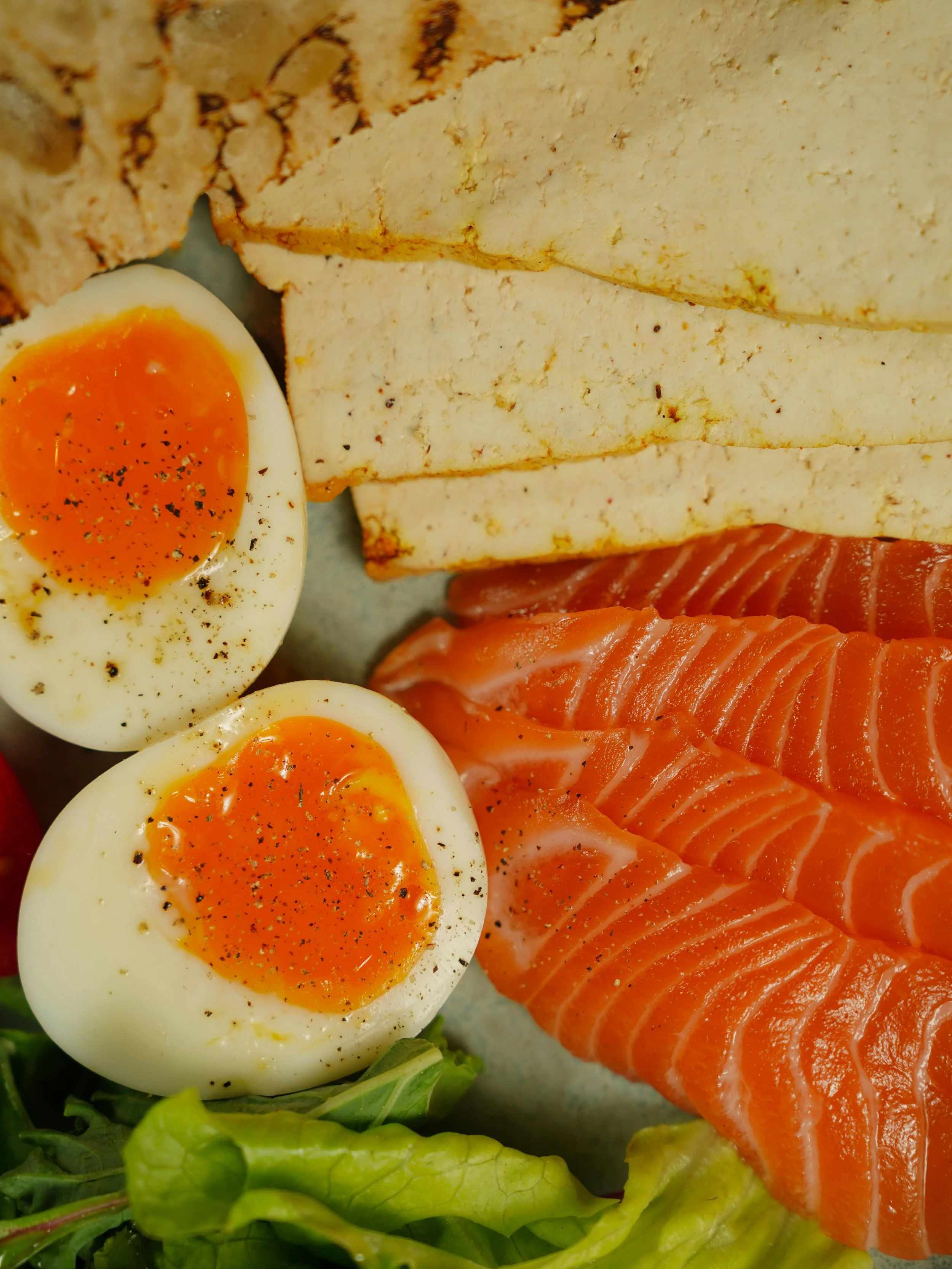
Protein helps maintain muscle mass and strength. Good sources include:
Lean meats, Eggs, Greek yogurt, Beans, Lentils, and Fish.
Spreading protein throughout the day (instead of eating most of it at dinner) can help the body use it more efficiently.
🥬 2. Fiber
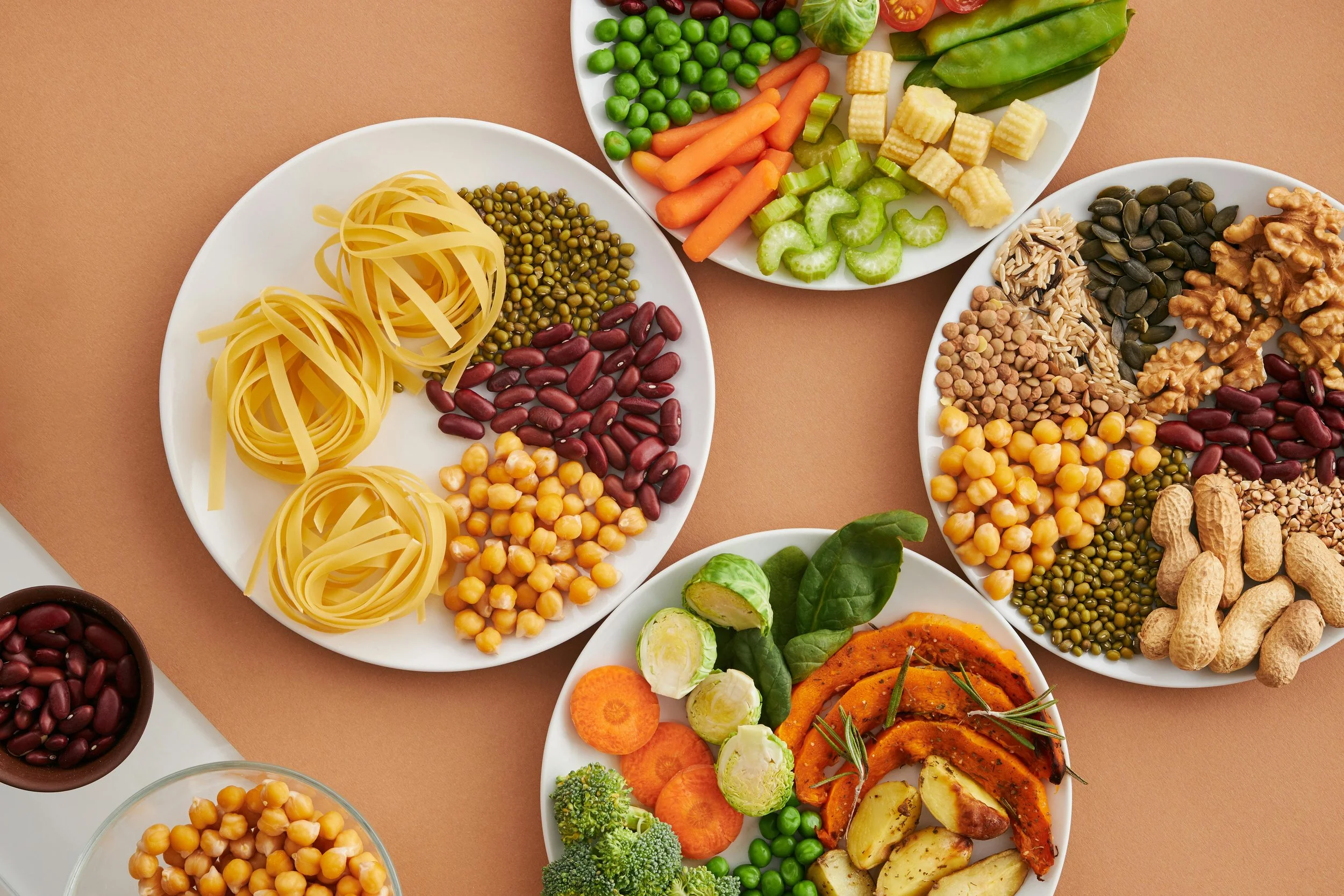
Fiber supports digestion and heart health. It also helps regulate blood sugar.
Sources include:
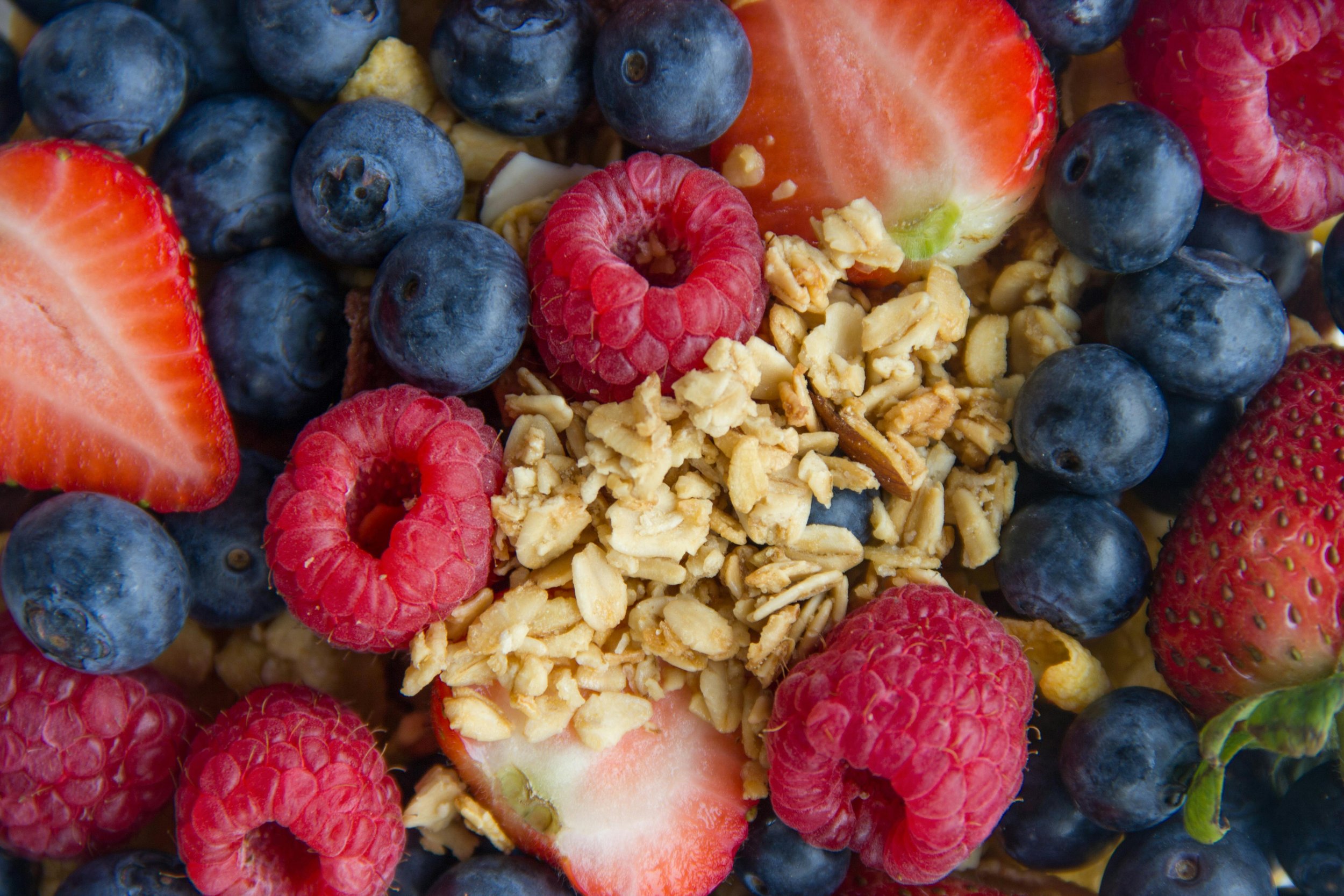
Oatmeal, Whole grains, Fresh fruits, Vegetables, and Beans.
🥛 3. Calcium and Vitamin D
These nutrients are essential for bone health. As we age, bone density can decline, increasing the risk of fractures.
Sources include:
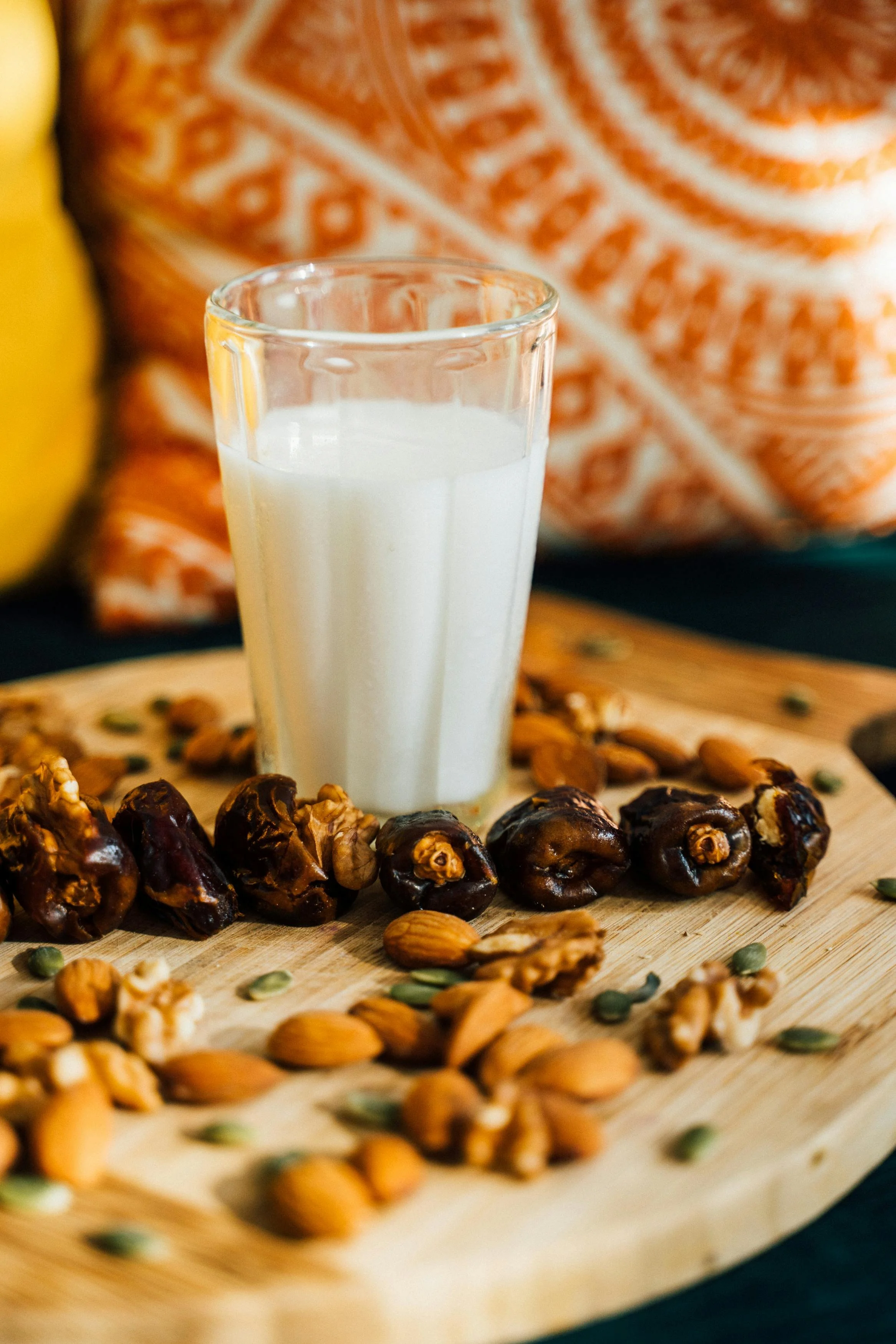
Dairy products, Fortified plant milks, Leafy greens, Safe sun exposure (for vitamin D)
Your healthcare provider may recommend supplements if levels are low.
🐟 4. Healthy Fats
Omega-3 fatty acids can support heart and brain health.
Look for:
Salmon, Sardines, Walnuts, Flaxseed.